Why Gum Health Is the Secret to Successful Dental Implants in Miami Beach
For those searching for dental implants in Miami Beach, Coral Gables, or anywhere across South Florida, many patients spend time comparing costs, reading reviews, and wondering whether they are good candidates. What most patients don’t realize until they’re sitting in a specialist’s chair is that the single greatest factor in whether a dental implant succeeds or fails has nothing to do with the implant itself. It has everything to do with the health of their gums.
At the Miami Beach periodontal practice of Dr. Mark I. Gutt, DMD, a board-certified Diplomate of the American Board of Periodontology with over 30 years of experience serving patients from Aventura to the Florida Keys, the belief is that every successful implant story begins long before the procedure itself. It begins with healthy gums, a thorough evaluation, and a personalized plan built around each patient’s unique needs. Those ready to take that first step are invited to contact Dr. Gutt’s Miami Beach dental office at (305) 538-2112 or his Key West office at (305) 294-4661 to schedule a comprehensive periodontal consultation today.
Step 1: Get a Comprehensive Periodontal Evaluation
Before a single implant is planned, patients need a clear picture of what is happening beneath the gumline.
A comprehensive periodontal evaluation goes well beyond a standard dental checkup. It includes careful measurement of periodontal pocket depths around each tooth, a full set of X-rays to assess bone levels, and an examination of gum tissue for signs of infection, recession, or inflammation. At Dr. Gutt’s Miami Beach office, advanced diagnostic imaging is also used to map bone volume and density—critical data points for successful implant placement.
Why does this matter? Because active gum disease is a direct contraindication for dental implants. Placing an implant into an environment where bacteria and inflammation are already present is a setup for failure. The infection doesn’t stop at the implant — it attacks it.
For those considering dental implants in Miami Beach or Key West, the journey begins with a thorough, specialist-level periodontal evaluation that provides the complete picture needed to build an effective treatment plan.
Step 2: Treat Any Active Gum Disease First
If an evaluation reveals gum disease, whether mild gingivitis or more advanced periodontitis, it must be fully treated before implant placement can move forward. This isn’t a formality. It’s one of the most important factors in long-term implant success.
Untreated periodontal disease creates the conditions for a serious post-implant complication called peri-implantitis—essentially gum disease around the implant. It causes bone loss, implant instability, and, in severe cases, implant failure. Patients who have a history of periodontitis and don’t receive proper pre-implant treatment face a significantly higher risk of this condition.
The good news is that gum disease is treatable, and Dr. Gutt’s practice has highly effective tools to address it. For many patients, scaling and root planing—a deep cleaning that removes bacterial deposits from below the gumline—is enough to bring gum health back under control. For more advanced cases, Dr. Gutt offers LANAP® laser therapy, an FDA-cleared, minimally invasive procedure that uses a precise laser wavelength to eliminate diseased tissue and promote regeneration without the need for traditional surgery.
Miami Beach patients with moderate-to-severe gum disease frequently benefit from LANAP® laser treatment before implant placement, and many are surprised by how comfortable the recovery is compared to conventional surgical options.
Step 3: Address Bone Loss If Present
Dental implants are titanium posts that integrate directly with the jawbone. That process — called osseointegration — only works if there is sufficient bone volume and density to anchor the implant securely. When gum disease or a long-absent tooth has caused bone loss, it must be addressed before moving forward.
Bone grafting is the solution. It involves placing bone graft material at the implant site to encourage the body to regenerate lost bone over a healing period. Depending on the location and extent of bone loss, a sinus lift procedure may also be needed, particularly for implants in the upper back jaw, where the sinus cavity can limit available bone height.
At Dr. Gutt’s Miami Beach and Key West offices, bone grafting is performed using a technique that minimizes tissue disruption. For many patients, this is a relatively straightforward procedure done right in the office, with healing times that fit into a normal schedule.
For South Florida patients who have experienced bone loss due to gum disease or a long-missing tooth, bone grafting is the bridge between where the jaw is now and where it needs to be for a successful, lasting implant.
Step 4: Build a Strong Daily Oral Hygiene Routine
This step is entirely in the patient’s hands, and it matters more than most expect.
The health of the gums before implant surgery directly influences how well the implant heals and integrates. Inflammation, even low-grade gingivitis that doesn’t cause noticeable symptoms, affects the tissue environment around a healing implant. Starting strong oral hygiene habits weeks or months before the procedure gives the gums the best possible foundation.
Dr. Gutt recommends the following to patients before any implant procedure:
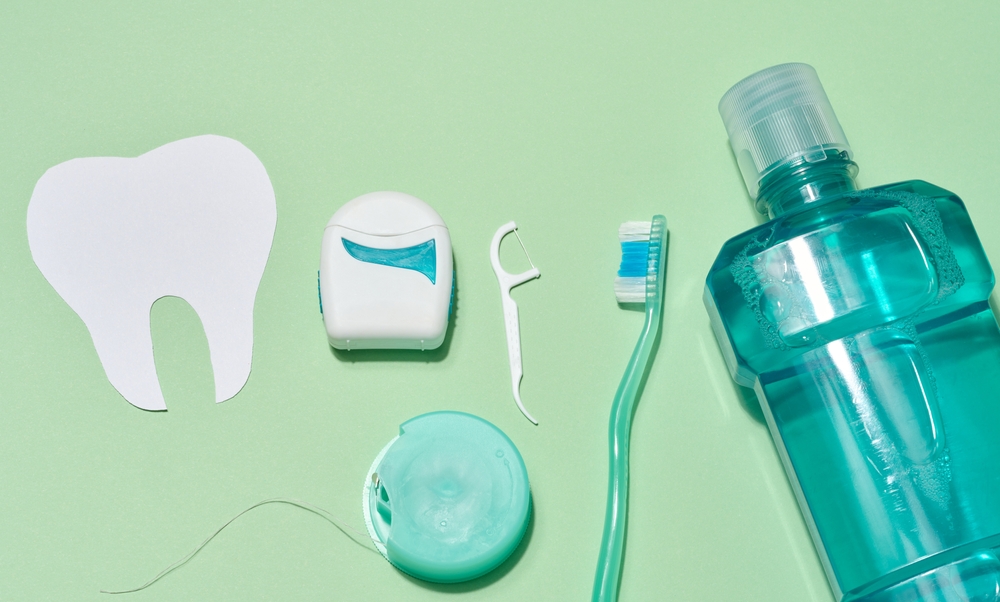
- Brush twice daily using a soft-bristled toothbrush and a gentle circular motion along the gumline — not a scrubbing back-and-forth stroke that irritates tissue.
- Floss once daily, making sure to curve the floss around each tooth and gently slide it below the gumline rather than snapping it.
- Consider a water flosser as a complement to string floss, particularly for patients with bridgework, crowding, or difficulty cleaning between teeth.
- Use an antibacterial rinse such as one containing chlorhexidine if recommended — this can help reduce bacterial load in the weeks leading up to surgery.
These are the habits Dr. Gutt’s Miami Beach and Key West periodontal patients establish before any implant procedure — and they are habits worth keeping for life.
Step 5: Schedule Professional Cleanings and Commit to a Maintenance Plan
Even with excellent home care, professional periodontal maintenance is irreplaceable. And for implant patients, it is non-negotiable.
A periodontal maintenance appointment is not the same as a standard cleaning at a general dentist. It involves careful re-evaluation of pocket depths, removal of calculus deposits from areas impossible to reach at home, and monitoring of any changes in gum tissue or bone levels. For patients preparing for implants, Dr. Gutt typically recommends these appointments every three to four months rather than the standard six-month interval — particularly if there has been a history of gum disease.
This level of monitoring doesn’t stop after the implant is placed. In fact, it becomes even more important. Implants don’t get cavities, but they are absolutely susceptible to peri-implantitis. Regular professional care is the single most reliable way to catch and address early warning signs before they become serious problems.
At Dr. Gutt’s Miami Beach periodontal practice, a customized maintenance schedule is built for every implant patient — one that reflects each person’s specific history, risk factors, and treatment timeline. This isn’t a one-size-fits-all approach. It’s a long-term partnership in keeping each patient’s investment healthy.
Why See a Periodontist — Not Just a General Dentist — for Implants?
This is a question worth answering directly.
A periodontist is a dental specialist who completes an additional three years of post-doctoral training specifically focused on the structures that support teeth — gums, bone, and the connective tissue that holds everything together. Implant placement falls squarely within that specialty because implants live in the same environment that periodontists are trained to diagnose, treat, and maintain.
Dr. Gutt has been practicing periodontics in South Florida since 1991. He completed his specialty training at the University of Pennsylvania and holds the designation of Diplomate of the American Board of Periodontology — a distinction earned through advanced training and rigorous examination, held by fewer than half of all practicing periodontists.
Beyond training and experience, Dr. Gutt’s Miami Beach office offers something that very few practices anywhere in the region can: YOMI® robotic-assisted implant placement. The YOMI® system provides real-time haptic guidance during the implant procedure, allowing for a level of precision that goes beyond what freehand placement can achieve — even in experienced hands. For patients in Miami Beach and throughout South Florida, this technology means more accurate positioning, less invasive surgery, and faster recovery.
South Florida’s Gum Health Experts Are Ready
Living with missing teeth or struggling with gum disease affects more than just oral health. It affects the way patients carry themselves, the way they laugh, and the way they show up in the world. Whether traveling from Key West, making the drive from Marathon, or coming down from Big Pine Key, every patient deserves specialized periodontal care that treats them as a person, not just a case.
Dr. Mark I. Gutt and his team understand that taking this first step can feel overwhelming, and they are here to guide patients with compassion, expertise, and over 30 years of experience. Fear and uncertainty should not stand between anyone and the smile they’ve been missing. Patients are encouraged to call the Key West office at (305) 294-4661 or the Miami Beach office at (305) 538-2112 to schedule a comprehensive periodontal evaluation. The healthiest, most confident smile is closer than most think — and it starts with one phone call.